
led bathroom wall mirror
The Importance and Implementation of Grounding in Welding Operations Welding is an essential process in various industries, from automotive to construction, where strong and durable metal joints are crucial. One of the often-overlooked aspects of welding safety and effectiveness is grounding. Proper grounding not only ensures the integrity of the welds but also significantly enhances the safety of the welding operation. In this article, we will explore the significance of grounding in welding, the methods for effective grounding, and the consequences of neglecting this critical aspect. The Significance of Grounding in Welding Grounding in welding refers to the practice of connecting the welding machine to the workpiece or the welding table to establish a low-resistance path for electrical current. This process is pivotal for several reasons 1. Safety Proper grounding helps prevent electrical shocks which can be fatal. In welding operations, the presence of high voltage increases the risk of electric shock. A well-grounded setup diverts stray currents, reducing the potential for hazardous situations. 2. Quality of Welds Grounding is essential for achieving high-quality welds. A poor ground can lead to unstable arcs, excessive spatter, and incomplete fusion, ultimately compromising the strength and integrity of the weld. Consistent grounding ensures stable arc length and smooth operation. 3. Equipment Protection Grounding helps protect welding equipment from damage due to electrical surges. Without proper grounding, equipment can suffer from overheating or failure, leading to costly repairs and downtime. 4. Compliance with Regulations Many safety regulations and standards mandate proper grounding in welding operations. Adhering to these standards not only promotes safety but can also be a legal requirement for businesses in the welding industry. Methods for Effective Grounding Implementing grounding in welding operations involves specific techniques to ensure a reliable and safe connection 1. Using a Ground Clamp The most common method is attaching a ground clamp to the workpiece. The clamp should be firmly secured to a clean, unpainted surface to minimize resistance. Using a copper or bronze clamp can enhance conductivity. grounding welding table 2. Grounding Rods For larger operations or outdoor welding, grounding rods can be driven into the earth to provide a solid grounding point. This is particularly useful in mitigating any high-voltage surges that may occur during welding. 3. Welding Table Grounding For welding tables, a dedicated grounding cable can be attached directly to the table structure. This setup requires all workpieces to be in contact with the table, ensuring a conductive path between the machine and the workpiece. 4. Regular Maintenance Grounding systems should be regularly inspected and maintained. Connections can loosen over time, and corrosion can develop, affecting conductivity. Regular checks ensure a continuous and effective grounding system. Consequences of Neglecting Grounding The failure to properly establish grounding can lead to severe complications 1. Increased Risk of Electrical Shock An ungrounded system poses a serious shock hazard to welders and nearby personnel. Electrical surges can also create arc flash incidents, resulting in injuries or fatalities. 2. Subpar Weld Quality Poor grounding leads to inconsistent arc stability, which can cause weld defects. The integrity of critical structures can be jeopardized, leading to potential failures that could endanger lives. 3. Equipment Damage Neglecting grounding may result in costly damage to welding equipment, leading to downtime and financial loss. Repairing or replacing damaged equipment can strain the budget and delay project completion. 4. Legal Ramifications Businesses that fail to follow grounding regulations may face legal penalties, including fines and shutdowns. Ensuring a safe and compliant welding operation is crucial for long-term success. Conclusion In conclusion, grounding is a fundamental aspect of welding operations that is often underestimated. Its significance in ensuring safety, weld quality, and equipment protection cannot be overstated. By employing effective grounding techniques and adhering to proper safety measures, welders can create a safer working environment and achieve superior results in their projects. As welding professionals continue to advance their skills and technologies, prioritizing grounding will be essential in fostering a culture of safety and excellence in welding practices.
about
led bathroom wall mirror
Replacing a Water Valve A Step-by-Step Guide Water valves are essential components of any plumbing system, controlling the flow of water in and out of various fixtures and appliances. Over time, these valves can wear out, become corroded, or develop leaks, necessitating their replacement. If you find yourself in a situation where you need to replace a water valve, whether it’s for a sink, toilet, or main water line, this guide will provide you with a comprehensive overview of the process, ensuring that you can carry out this task efficiently and safely. Understanding Water Valves Before diving into the replacement process, it’s essential to understand what type of water valve you are dealing with. Common types include gate valves, ball valves, and globe valves. Gate valves are typically used for on/off control and are not ideal for throttling. Ball valves, on the other hand, offer a quick on/off function with minimal flow resistance. Globe valves are mainly used for regulating flow. Identifying your valve type will help you choose the right replacement. Tools and Materials To successfully replace a water valve, gather the following tools and materials - Adjustable wrenches or a set of pipe wrenches - Screwdriver (flathead or Phillips, depending on your valve) - Replacement valve - Plumber’s tape (Teflon tape) - Bucket or towels to catch any residual water - Safety goggles and gloves Steps to Replace a Water Valve 1 . Turn Off the Water Supply Safety is paramount when working with plumbing. Locate the main water shut-off valve in your home, usually found near the water meter. Turn it off by rotating the handle clockwise. If you're replacing a valve for a specific fixture, such as a sink or toilet, you may find individual shut-off valves beneath the fixture. 2. Drain the System Open the faucet or fixture associated with the valve you are replacing to allow any remaining water to drain out of the system. This step is crucial to prevent water from spilling when you remove the valve. replace a water valve 3. Remove the Old Valve Using your adjustable wrenches, carefully loosen and disconnect the old valve from the pipe. If the valve has screws, use your screwdriver to remove them first. Be prepared for some residual water to spill out, so keep your bucket or towels handy. 4. Clean the Threads Once the old valve is removed, inspect the threads on the pipe for any debris or old plumber’s tape. Clean the threads to ensure a good seal with the new valve. Any residue could lead to leaks. 5. Install the New Valve Wrap the threads of the pipe with plumber's tape to ensure a tight seal. Then, attach the new valve by threading it onto the pipe. Make sure it’s oriented correctly, with the handle positioned in a way that makes it easy to operate. Tighten it carefully with your wrench, being cautious not to over-tighten, as this can damage the threads. 6. Check for Leaks Once the new valve is installed, turn the main water supply back on slowly. Look for any signs of leaks around the valve. If you notice any leaking, you may need to tighten it slightly or reapply plumber's tape. 7. Test the Valve Finally, test the new valve by turning it on and off a few times. Make sure it operates smoothly and that water flows without any obstruction. Check for leaks once more after testing. Conclusion Replacing a water valve is a straightforward task that can save you from costly plumbing issues in the future. By following these steps, you can ensure that the valve operates efficiently and securely. Always remember to wear proper safety gear and take your time to do the job correctly. If at any point you feel uncomfortable or unsure, don’t hesitate to consult a professional plumber. Regular maintenance of your plumbing system will not only prolong its life but also ensure the health and safety of your home environment.
-

High quality industrial productsagement

High quality industrial products
View Details -

Meet the diverse needs of customers

Meet the diverse needs of customers
View Details -

Strict quality control

Strict quality control
View Details -

Top raw materials

Top raw materials
View Details -

Trusted supplier

Trusted supplier
View Details
Our application


news and information
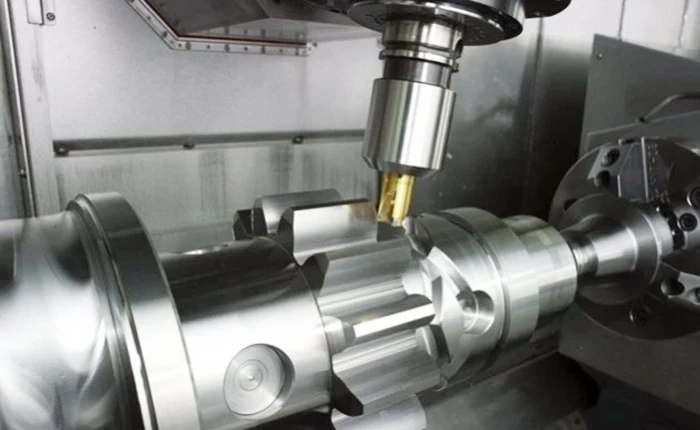
V Blocks for Sale_ Types, Uses, and Best Heavy-Duty Frame V Options
V blocks and Vee blocks are essential tools in machining, metalworking, and inspection processes. Th

Vidin'ny vidin'ny fitaovana fanombanana tariby sy fangarona
Ny vidin'ny fitaovana fanombanana rohy dia tena zava-dehibe amin'ny indostria sy ny sehatra hafa man
Vannventil for kontroll av vannstrøm og trykkregulering
Vannventilens Rolle i Vannfordeling Vann er en av de mest essensielle ressursene på jorden, og forva
 English